Using an IP66 Motor in Outdoor and Dust-Prone Robot Projects
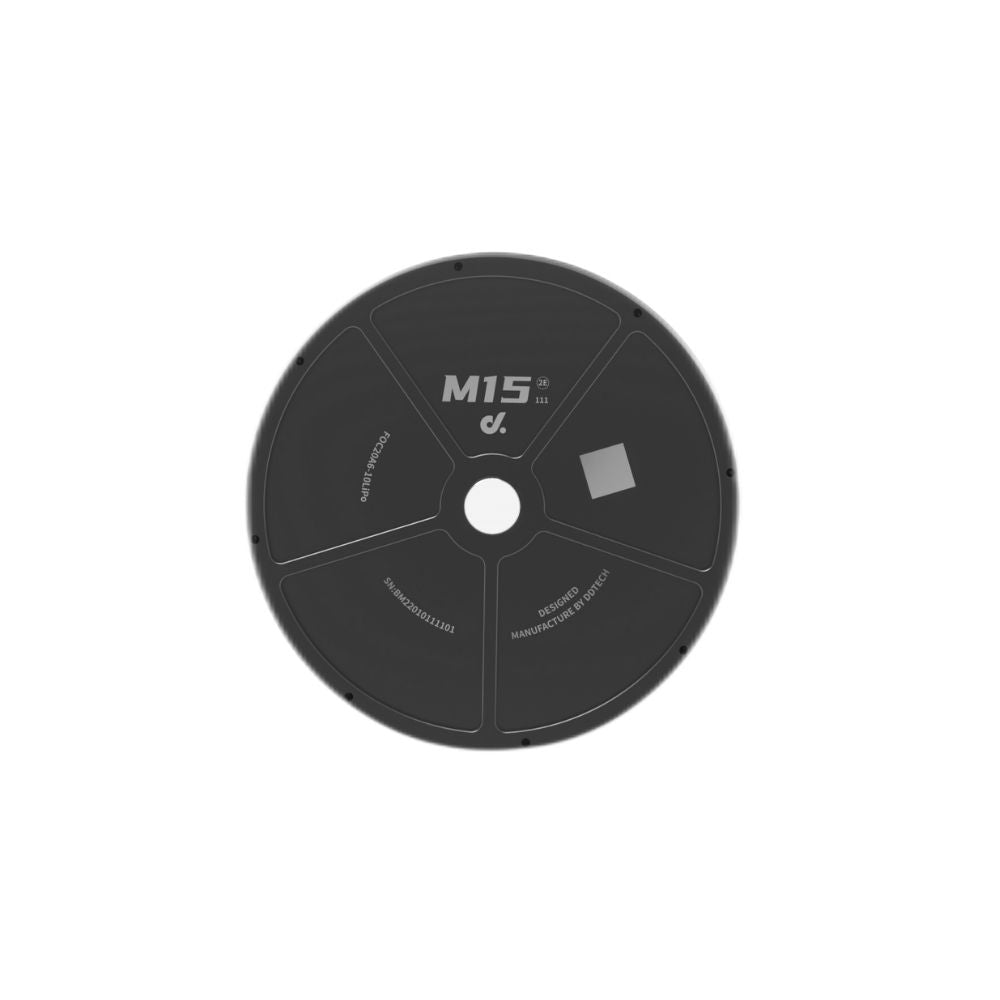
Using an IP66 motor reduces the chance of dust entering the motor housing while allowing outdoor robots to continue working during rain, cleaning, and heavy airborne particles. Mobile robots used in farming, mining, construction, and outdoor inspection often run for more than 2,000–4,000 hours each year. An IP66-rated motor keeps dust out completely and resists high-pressure water jets under IEC 60529 testing. When combined with the correct torque rating, sealed bearings, and proper thermal management, it helps reduce maintenance frequency, improve equipment availability, and extend service life in demanding outdoor environments.
Outdoor robots rarely operate in clean surroundings. A robot inspecting solar farms may travel through sand in the morning, rain in the afternoon, and muddy ground before returning to its charging station. Construction robots face cement dust, while forestry robots collect wood particles that remain suspended in the air. In many industrial locations, airborne particles remain above recommended workplace levels for several hours each day. After 2,500 operating hours in a single year, even small amounts of contamination can increase bearing wear and reduce motor efficiency.
The operating environment changes how engineers select every drivetrain component. Motor torque, gearbox ratio, wheel diameter, controller settings, and enclosure protection all work together. A motor with high output but poor sealing may perform well during initial testing but require additional maintenance after months of outdoor operation.
Dust usually reaches the motor through shaft openings, cable entries, or damaged seals. Once particles mix with bearing grease, friction gradually increases and operating temperature may rise several degrees over long service periods.
The IP66 classification follows IEC 60529. The first digit "6" confirms complete protection against dust ingress, while the second digit "6" confirms protection against powerful water jets from every direction. It does not mean the motor is designed for continuous underwater operation, but it performs well during heavy rain, equipment washing, and wet working conditions found in many industrial sites.
| Feature | Practical benefit |
|---|---|
| Dust-tight enclosure | Prevents internal contamination |
| Water jet protection | Supports outdoor cleaning and rainfall |
| Sealed cable entry | Reduces moisture exposure |
| Protected bearings | Longer maintenance intervals |
| Corrosion-resistant housing | Better outdoor durability |
As environmental protection improves, heat management also deserves attention. A sealed enclosure reduces airflow around internal components, so manufacturers often compensate by using aluminum housings, larger external cooling surfaces, and optimized winding designs. Many modern permanent magnet motors maintain stable operating temperatures even when ambient temperatures exceed 40°C, provided the continuous load remains within specification.
This balance becomes more important for robots operating several hours without interruption. Warehouse yard vehicles, agricultural robots, and autonomous inspection platforms often work for 6–12 continuous hours before charging. During this period, motor temperature may increase by 30–60°C depending on duty cycle, terrain, payload, and acceleration frequency.
Engineers also compare drivetrain efficiency because every percentage point affects battery life. A motor operating at 92% efficiency instead of 88% converts less electrical energy into heat. For a 1.5 kW drive system running eight hours per day, that difference may reduce unnecessary heat generation by several hundred watt-hours during one working shift.
Lower heat generation also helps nearby electronic components, including encoders, motor drivers, and communication modules, maintain stable operating conditions over long working periods.
Mechanical sealing should never be evaluated separately from motor performance. Continuous torque determines whether a robot can climb slopes, move through loose gravel, or carry additional payload without overheating. Peak torque becomes important during acceleration or obstacle crossing, while encoder resolution affects positioning accuracy for autonomous navigation. Selecting one specification without considering the others often limits overall system performance.
Many robot developers choose integrated direct-drive systems because they reduce the number of moving mechanical parts. Fewer gears can lower maintenance requirements and improve positioning accuracy. For applications requiring compact construction and precise wheel control, the M1502E-111 direct drive motor is one example of a direct-drive solution that can be evaluated together with enclosure protection, continuous torque, encoder options, and thermal performance during drivetrain design.
Field maintenance costs also influence component selection. A fleet containing 100 outdoor robots may require hundreds of maintenance hours annually if motors need frequent inspection for contamination. Extending service intervals by only 20–30% can reduce scheduled downtime while allowing maintenance teams to focus on batteries, sensors, and mechanical wear components that naturally require periodic replacement.
Another consideration is seasonal weather. In northern Europe, outdoor equipment may experience temperatures below -20°C during winter and above 35°C in summer. Daily temperature changes create pressure differences inside motor housings. Well-designed shaft seals and cable glands help prevent moisture from entering during these expansion and contraction cycles, reducing the chance of internal corrosion over several years of operation.
Different industries place different demands on outdoor robots.
-
Agriculture: dust, fertilizer, irrigation water, and uneven ground.
-
Mining: abrasive particles, vibration, and moisture.
-
Construction: cement dust, impact, and regular equipment washing.
-
Utility inspection: rain, road debris, and changing weather.
-
Outdoor logistics: puddles, snow, salt spray, and continuous daily operation.
Each environment exposes the drivetrain to different combinations of dust, water, vibration, and temperature. Because of this, engineers usually evaluate ingress protection together with motor efficiency, torque characteristics, bearing quality, thermal design, and expected maintenance intervals before selecting the final motor for an outdoor robotic platform.