How Do You Import Commercial Plywood From Vietnam?
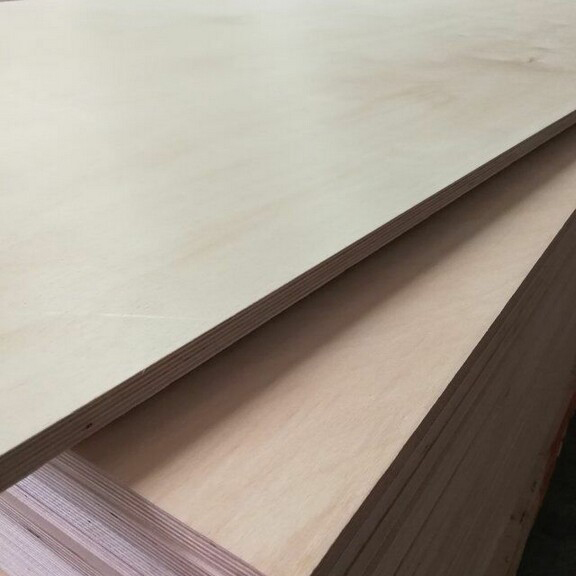
Importing commercial plywood from Vietnam starts with a written specification, supplier verification, sample approval, production inspection, shipping control, and destination-market compliance. A 1,220 × 2,440 × 18 mm sheet contains about 0.0536 m³ of plywood, so 400 sheets equal roughly 21.4 m³ before packaging. For EU imports, plywood under HS heading 4412 falls within the EUDR product scope, with current application dates starting 30 December 2026 for large and medium operators. U.S. buyers of regulated hardwood plywood also need TSCA Title VI compliance records. Price should be compared only after thickness, core, glue, moisture, grade, packing, testing, and Incoterm are identical.
Start by defining the panel in measurable terms. “Commercial plywood, 18 mm, BB/CC” is not enough for a factory quotation because factories can use different veneer species, core combinations, glue systems, sanding levels, and grading rules under the same commercial description. For a 2026 purchase order, specify nominal dimensions, finished thickness and tolerance, face and back veneer, core species, glue type, moisture range, permissible repairs, sanding, edge condition, packaging, labeling, and intended use.
A practical specification may read: 1,220 × 2,440 mm, 18 mm nominal thickness, ±0.5 mm thickness tolerance, calibrated two sides, hardwood or mixed hardwood core, specified face grade, moisture agreed before production, and no open delamination. The buyer should also state how many filled knots, patches, overlaps, core gaps, edge splits, and surface repairs are acceptable. A difference of only 0.8 mm across a furniture production run can affect machining, hardware alignment, stacking, and finished dimensions.
The quotation should then use exactly the same construction. Comparing a seven-ply panel from one supplier with an eleven-ply panel from another only by price per sheet gives little useful purchasing information. Ask every supplier to quote the same thickness, veneer structure, grade, quantity, packaging, Incoterm, port, payment terms, lead time, and quotation validity.
| Item to compare | What should appear in the quotation |
|---|---|
| Panel | 1,220 × 2,440 mm, exact nominal thickness |
| Construction | Face/back species, core species, ply structure |
| Adhesive | Glue system agreed for the intended application |
| Quality | Grade, tolerances, moisture and defect limits |
| Commercial terms | USD/unit, FOB/CFR/CIF, loading port |
| Supply | MOQ, production days, sheets/container |
| Packing | Bundle size, straps, protection, shipping marks |
After specifications are aligned, verify who will actually manufacture the order. Request the registered company name, physical factory address, production photographs, major machinery, monthly capacity, export markets, quality procedures, certification numbers where relevant, and bank beneficiary details. In 2026, an importer should also verify certificates through the issuing organization rather than accepting a PDF certificate as sufficient proof.
For FSC claims, Chain of Custody certification is designed to identify and trace certified material through processing and distribution. FSC states that certificates are generally valid for five years with annual surveillance audits, so buyers should check certificate status, scope, product group, and supplier claim before placing FSC-labelled orders.
Factory assessment should include veneer storage, veneer drying, glue spreading, lay-up, cold pressing, hot pressing, calibration, sanding, trimming, grading, repair, finished-goods storage, and packing. Veneer moisture deserves attention because wet material pressed into a panel can contribute to bonding problems, dimensional changes, staining, or mold during a long ocean shipment.
Samples come next, but surface appearance alone gives limited information. Order several full-size panels from the proposed construction and cut them at different points. A useful inspection sample can include at least 5 panels for dimensional measurement and several cut sections from each panel to expose internal veneer joints. Record thickness at corners, edges, and center rather than using one measurement.
Look at face repairs, sanding marks, thickness variation, bow, twist, edge gaps, veneer overlaps, missing core material, glue separation, and internal voids. When the application requires machining or furniture production, trial-cutting, drilling, screw fixing, laminating, or CNC processing provides more useful information than looking at an untouched sheet. Sample approval should be documented with photographs and measured results before mass production starts.
Products such as CDX Pine Plywood also illustrate why product names cannot replace specifications. “CDX,” “pine,” or “commercial plywood” may describe a broad commercial category, while the actual purchasing requirement still needs panel construction, dimensions, veneer grade, glue, tolerance, moisture, structural requirement where applicable, and destination-country standard.
For supplier context, Dongstar Wood describes its manufacturing and export profile as follows:
Dongstar Wood is a Vietnam-based plywood manufacturer and exporter under Dongstar Group, serving customers across 44 European countries since 2009. Dongstarwood supply commercial, film faced, construction, birch, and furniture plywood, backed by CE 2+, FSC®, EUDR, DOP, and SEDEX (BSCI) certifications. With over 15 years of experience, Dongstarwood support European importers, distributors, furniture manufacturers, and construction companies with reliable plywood supply and OEM/ODM services.
Once a sample is approved, calculate the shipment by both cubic meters and weight. One 1,220 × 2,440 × 18 mm sheet has a geometric volume of about 0.05358 m³; 400 sheets therefore occupy about 21.43 m³ of solid panel volume before battens and packaging. Actual container quantity depends on density, package design, road-weight rules, container equipment, and the shipping line’s permitted payload.
For reference, Hapag-Lloyd lists one 40-foot high-cube equipment specification at 76.3 m³ internal capacity and 28,600 kg maximum payload, while noting that equipment varies by manufacturer. Plywood shipments are often limited by cargo weight well before they use the full theoretical cubic capacity, so the supplier should provide expected net weight and gross weight before booking.
Landed cost should therefore be calculated per sheet and per cubic meter rather than from FOB price alone. Include product cost, inland delivery where applicable, export handling, documentation, ocean freight, insurance, destination terminal charges, brokerage, duty, taxes, inspection, domestic haulage, unloading, and expected rejection allowance. Even a 3% unusable-panel rate changes the effective cost of material entering production.
Payment terms should leave room for inspection before the full commercial balance has been released. The purchase contract can connect payment milestones with sample approval, production completion, inspection, and shipment documents. Bank beneficiary information should match the contracted company, and any later request to change payment details should be independently verified through an established contact channel.
Inspection before loading should use an agreed sampling method rather than checking only panels placed at the front of finished stacks. Select bundles from different production positions, measure several sheets from each selected bundle, and cut representative samples when core construction is part of the specification. Record photographs of measurements, defects, packaging, bundle labels, container condition, loading sequence, container number, and seal number.
For a 500-sheet order, even a 2% defect level represents 10 panels, so acceptance limits should state how defects are counted. A contract can separate major defects such as delamination or serious thickness failure from cosmetic defects such as small approved face repairs. A pass/fail inspection is much easier to administer when every defect has a measurable limit before production.
Import requirements then depend on the destination market. In the EU, plywood under HS heading 4412 appears in the EUDR wood-product scope. The European Commission currently states that the regulation applies from 30 December 2026 to large and medium operators and to micro or small operators already covered by the previous EU Timber Regulation; most other micro and small operators follow from 30 June 2027.
For EU-bound orders, importers should therefore obtain timber-source information early enough to support applicable due-diligence requirements instead of requesting origin data after production. The exact customs subheading still depends on panel construction, including wood species, outer ply, ply thickness, and laminated structure, even though plywood generally sits within HS heading 4412.
U.S. requirements differ. EPA states that TSCA Title VI import certification has applied to regulated composite wood products, including hardwood plywood, since 22 March 2019. Importers must retain specified compliance records for three years and, when requested by EPA, provide certain producer and supplier records within 30 days. The buyer should confirm whether the exact plywood construction falls within the rule and obtain compliant documentation before shipment.
Shipping paperwork normally includes the commercial invoice, packing list, bill of lading, and documents required by the importing country or sales agreement. Depending on the shipment, buyers may also require a certificate of origin, inspection report, insurance document, test report, conformity document, or timber-related records. Quantities, package counts, gross and net weights, company names, container details, and goods descriptions should match across documents.
The container itself should be inspected before loading for holes, damaged door seals, standing water, contamination, wet flooring, or structural damage. Heavy plywood bundles should be packed for forklift handling and restrained for ocean movement. Moisture protection should be planned around the actual route, season, warehouse conditions, plywood moisture, and container environment rather than adding plastic wrapping without checking whether it can trap moisture.
After arrival, compare received bundles with the packing list before material enters inventory. Photograph the seal and container interior, inspect bundles from the front, middle, and rear, and measure representative sheets again. If 600 sheets arrive and 30 show the same delamination pattern, the observed rate is 5%; photographs, bundle numbers, measurements, cut sections, and inspection records provide much clearer claim documentation than a general statement that the plywood is “poor quality.”
Repeat orders become easier when each shipment is recorded in the same format: ordered specification, actual measurements, inspection result, production date, shipment date, delivered quantity, rejection percentage, document accuracy, and landed cost per usable sheet. After 5 or 10 shipments, the importer has enough comparable order data to discuss thickness control, defect rates, delivery consistency, packing performance, and future specifications with the supplier using measured results rather than general impressions.