Sizing C and I Battery Energy Storage Systems for Peak Shaving and Backup
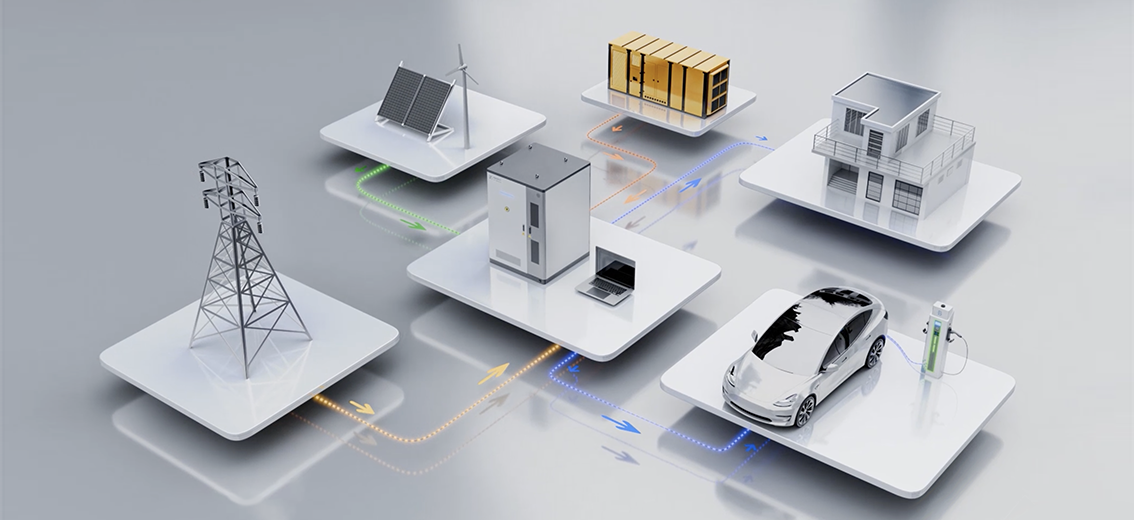
Battery storage has two separate sizing dimensions. Power in kilowatts determines how much load the system can support or offset at one moment. Energy in kilowatt-hours determines how long that output can continue. A useful design calculates both values from measured site data and the operating objective.
Prepare the load data
Collect interval meter data at a resolution that matches the tariff and control requirement. Check time zones, daylight-saving changes, missing intervals, meter resets, abnormal shutdowns, and periods when the site was not in normal production. Add known future loads and remove one-off events only when the reason is documented.
For peak shaving, identify how often demand exceeds the proposed threshold, the magnitude above it, and how long each event lasts. For backup, list critical loads, starting currents, acceptable interruption, required operating duration, and any generation that can run during the outage. These two applications may share equipment, but they compete for stored energy unless the controls reserve capacity.
Calculate power and duration separately
The discharge power must cover the difference between site demand and the target limit, plus conversion and measurement considerations. The energy requirement is the area above that limit over time, adjusted for usable state-of-charge range, efficiency, auxiliary loads, temperature, and degradation. Repeated or closely spaced peaks may require enough recharge time between events.
C&I battery energy storage systems should be sized separately for power demand, energy duration, usable operating window, and the site's objective. Nameplate energy is not the same as dispatchable energy at the point of connection. Specify the measurement boundary and the conditions under which guaranteed values apply.
Model backup and grid constraints
A backup study should distinguish no-break loads, loads that tolerate a transfer, and loads that can be shed. Confirm whether an existing UPS, generator, or photovoltaic system participates. Islanded operation requires a grid-forming source, transfer and protection logic, and a control sequence that keeps generation and load balanced.
Check PCS apparent power, power factor, overload capability, transformer and switchgear ratings, fault contribution, harmonics, and utility export rules. A battery large enough in kilowatt-hours may still fail the application if the PCS cannot supply the required instantaneous load.
Test uncertainty before procurement
Run scenarios for hot and cold conditions, aging, higher production, changed tariffs, unavailable equipment, and longer outages. Define the expansion approach if demand grows. Modular growth can be useful, but future battery additions need compatible voltage, controls, certification, and physical space.
Record the final assumptions in the technical specification and repeat the simulation with supplier-guaranteed data. Sizing should produce an auditable operating envelope, not a single round number that hides the site's actual peaks and backup priorities.